

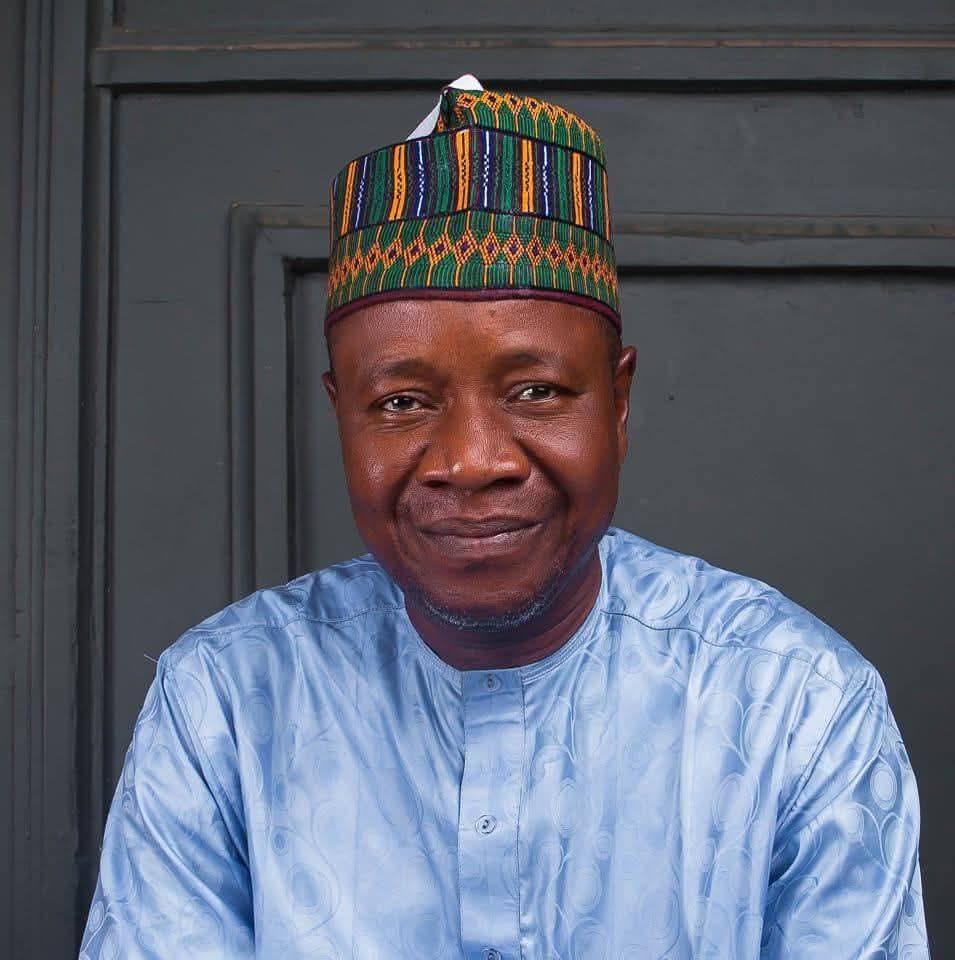
Professor Abdullahi Saleh Usman widely known by his nickname “Pakistan” stepped into the spotlight of public service when he was appointed Chairman/CEO of the National Hajj Commission of Nigeria (NAHCON) in August 2024 by President Bola Ahmed Tinubu, and later confirmed by the Senate.
He is a respected Islamic scholar educated at leading institutions including the University of Madinah and Peshawar University, Pakistan, and previously led the Kano State Pilgrims’ Board.
From the outset, his mandate was clear: to modernise and run Nigeria’s Hajj operations with transparency and efficiency, ensuring that Nigerian pilgrims perform their spiritual obligation with dignity.
However, recent months have seen his name become one of the most discussed and contested in Nigeria’s public administration.
The Smear Claims vs. Genuine Concerns
Supporters of Professor Pakistan have consistently described the barrage of negative reporting and criticism as a “smear campaign” one allegedly sponsored by political interests opposed to the current administration’s agenda.
Proponents argue that these attacks are aimed at undermining his growing public reputation and, they claim that critics are merely peddling unverified narratives to distract from his achievements in reforming Hajj processes and reducing pilgrim costs.
Conversely, several credible sources paint a different picture not of conspiracy alone, but of serious administrative and governance issues within the Commission itself.
Internal Rift and Vote of
No Confidence
Late January 2026, members of the NAHCON Board delivered an unprecedented blow: they formally petitioned President Tinubu and issued a collective vote of no confidence on Professor Pakistan.
According to board members, the Chairman’s leadership has been marked by financial indiscipline, procurement law violations, and administrative breakdowns that have compromised not only internal coherence but also Nigeria’s diplomatic standing with Saudi authorities.
Among their concerns were alleged expenditures without board approval and contracts awarded outside proper budgetary and legal frameworks actions they say risked operational dysfunction and harmed Nigeria’s Hajj quota negotiations.
Corruption Probes and EFCC Investigations
Adding to the tension are ongoing investigations by Nigeria’s anti-graft agency, the Economic and Financial Crimes Commission (EFCC).
Recent reports indicate that senior NAHCON officials, including the Commissioner of Policy and Finance and the Director of Finance, were detained and questioned over alleged misconduct and mismanagement involving over ₦50 billion linked to the 2025 Hajj cycle.
These probes were said to include diversion of funds connected to services and logistics a serious matter that casts a shadow over NAHCON’s leadership under Professor Pakistan.
Although the Chairman himself has not been charged, sources suggest that the anti-corruption scrutiny reflects deeper governance issues within the Commission raising questions about oversight, accountability, and internal control mechanisms.
Media Battles and Official Denials
In late 2025, NAHCON’s media office issued a strong denial of a specific online report that alleged the Chairman used state security agencies against journalists and was involved in corruption.
The Commission described the article as “reckless” and entirely fabricated, reiterating that the Chairman neither ordered detentions nor used the Department of State Services to intimidate the press.
NAHCON also challenged the publication to provide credible evidence for its claims.
This public pushback highlights the growing battle for narrative control between media organisations and critics asserting misconduct, and the Commission defending its reputation and insisting on fair reporting standards.
So Who Is Afraid of Pakistan?
At face value, the question captures a larger struggle playing out in Nigeria’s public sphere:
Are the attacks driven by genuine concerns over accountability and governance in a commission handling sensitive religious affairs?
Or are they manufactured controversies by political opponents threatened by a bold reformer?
The truth likely includes elements of both. Professor Abdullahi Saleh Usman Pakistan is a figure of international engagement, complex administrative responsibilities, and intense public scrutiny.
In a post-Hajj environment marked by financial pressures, legal requirements, and heightened expectations from pilgrims and stakeholders alike, his leadership is under both institutional and societal microscopes.
To answer who is afraid of Pakistan may well be to ask whether the critics whether inside politics, media, or governance circles fear transparency, reform, or accountability being brought to one of Nigeria’s most treasured national services. Or whether they fear a leader unafraid to confront systemic issues, even at the cost of internal resistance.
What is undeniable is that this debate has thrust NAHCON and its leadership into the foreground prompting Nigerians to ask not only about the future of the Hajj Commission but about the nature of public leadership itself.