


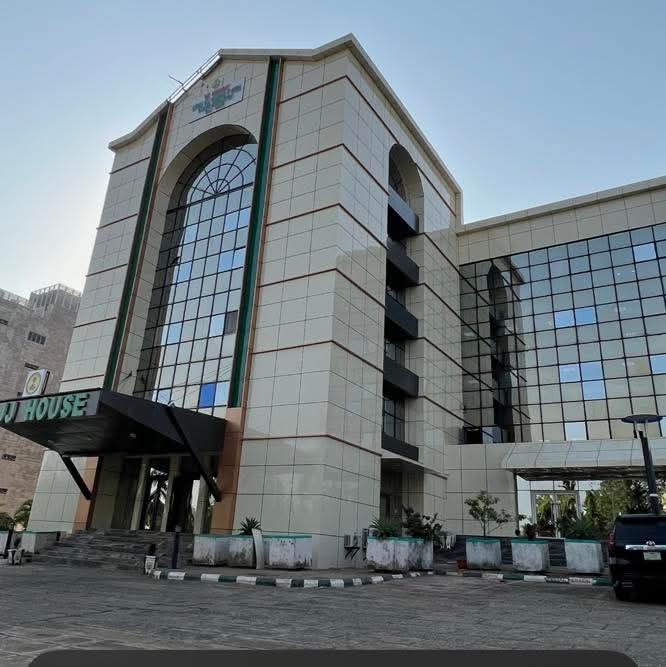
The effectiveness and credibility of any public institution are largely determined by its adherence to established administrative procedures and respect for the chain of command. For the National Hajj Commission of Nigeria (NAHCON), these principles are not optional; they are essential to sustaining institutional stability and ensuring the successful coordination of Hajj operations.
READ ALSO:
Under the current leadership of Professor Abdullahi Saleh Usman, NAHCON has made significant strides in strengthening its public image and operational efficiency. These achievements, however, can only be sustained if all senior officials and operational units demonstrate collective responsibility and unwavering respect for internal administrative processes.
Clear adherence to official procedures within the Commission remains the most reliable pathway to improved productivity and organizational success. A cooperative relationship among Directors, Commissioners, and other senior officials guided by mutual respect and compliance with leadership directives will naturally foster progress and institutional development.
Of particular concern are instances where unilateral decisions are taken by operational officials, especially in sensitive matters such as the allocation of pilgrims to airlines, without the formal approval of the Commission’s leadership. Such actions represent a serious breach of administrative protocol and undermine the authority of the institution.
Equally troubling is the practice of preparing official documents and bypassing internal approval mechanismsmost notably the office of the Chairman while seeking external authorization from supervising Federal bodies. This approach not only weakens internal governance structures but also erodes confidence in NAHCON’s administrative discipline.
These procedural lapses have, in some cases, resulted in decisions that fail to fully respect bilateral agreements with airline stakeholders, particularly those involving Saudi Arabian partners. Compliance with the Bilateral Air Services Agreement (BASA) should remain a shared responsibility across the administrative hierarchy, culminating in the Chairman’s approval before any external engagement.
Managing NAHCON has increasingly become a complex task, partly due to the conduct of certain officials who appear more driven by personal interests than by the collective goal of protecting the Commission’s reputation and safeguarding the welfare of Nigerian pilgrims. Such tendencies, if left unchecked, risk undermining the substantial progress already recorded.
There is, therefore, an urgent need for all stakeholders within NAHCON to recommit to professionalism, mutual respect, and strict observance of established administrative procedures. Only through institutional discipline and shared accountability can the Commission continue to fulfill its mandate effectively.
The outcomes of recent Hajj exercises provide compelling evidence of what disciplined leadership can achieve. The 2025 Hajj operations, in particular, stand out as among the most successful in recent decades, a testament to the focused leadership and strategic guidance of Professor Abdullahi Saleh.
Notably, the previous Hajj exercise recorded minimal complaints from Nigerian pilgrims across key service areas, including air transportation, logistics, accommodation in Makkah, Madinah, and Mina, as well as the quality of feeding arrangements. These outcomes underscore the benefits of coordinated planning and respect for institutional authority.
Attempts by disgruntled officials or external contractors to create crises or discredit these achievements are unlikely to succeed. NAHCON’s leadership, anchored on due process and operational transparency, has demonstrated its capacity to resist such distractions and remain focused on its core mandate.
In the final analysis, the continued success of NAHCON depends not on individual ambition, but on collective discipline, respect for administrative order, and an unwavering commitment to the welfare of Nigerian pilgrims.