


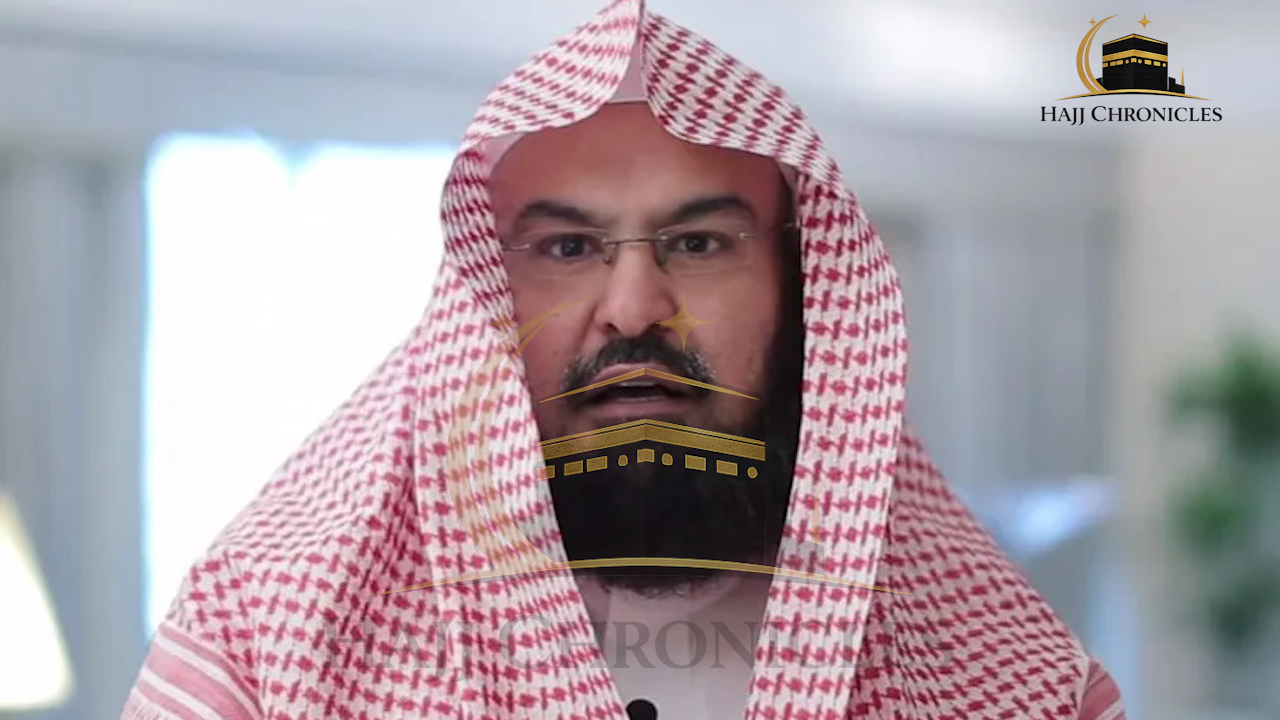
Abdulrahman Al-Sudais, Head of Religious Affairs at the Grand Mosque and the Prophet’s Mosque, has reiterated that performing Hajj without an official permit is not permissible under Islamic law.
In a statement issued by the Saudi Press Agency, Sheikh Sudais explained that the regulation requiring permits is in line with the broader objectives of Shariah, which emphasize safeguarding human life and preventing harm.
He noted that the policy—summarized as “No Hajj without a permit”—is designed to ensure the safety, organization, and smooth conduct of the pilgrimage. According to him, Islam places great importance on order and discipline, particularly in acts of worship involving large gatherings like Hajj.
Sheikh Sudais stressed that disregarding these rules could endanger both the individual and other pilgrims, which contradicts Islamic teachings that strictly prohibit harm.
He further highlighted that the permit system helps reduce overcrowding and creates a more secure and peaceful environment for pilgrims to perform their rites.
Calling on intending pilgrims to comply fully with official guidelines, Sheikh Sudais also commended the Saudi authorities for their continued efforts in enhancing Hajj services and ensuring pilgrims’ welfare.
He concluded by emphasizing that obtaining a Hajj permit should not be seen as a mere administrative requirement, but as a religious obligation grounded in Islamic jurisprudence.