



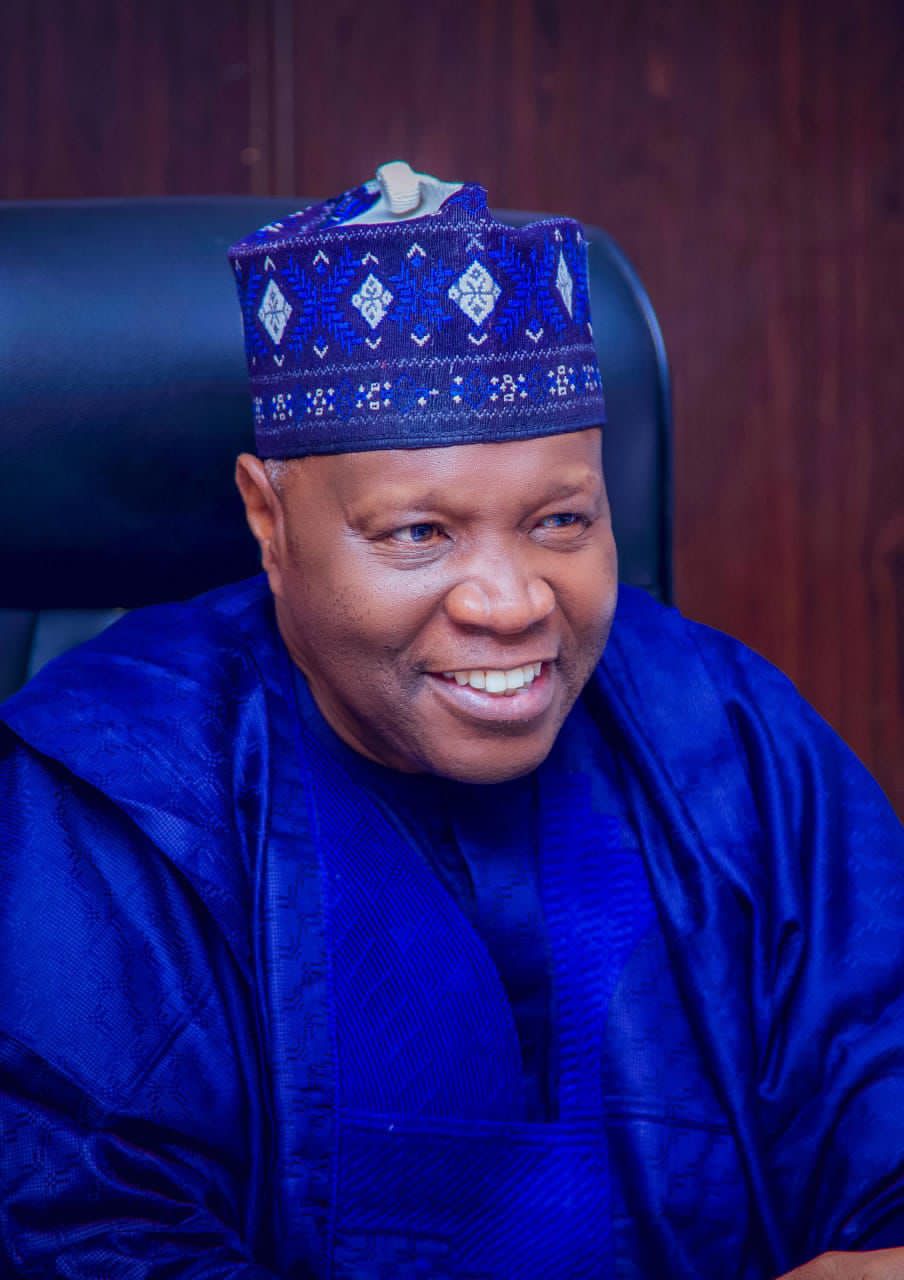
In the spiritually sensitive and logistically demanding sphere of Hajj operations, true success is not measured by loud publicity or grand claims, but by the comfort, safety, and satisfaction of pilgrims. In this sacred responsibility, Governor Muhammadu Inuwa Yahaya of Gombe State has emerged as a rare silent achiever one whose record speaks eloquently across Nigeria and beyond.
Hajj administration today goes far beyond the performance of a religious obligation. It is a complex undertaking that tests leadership, foresight, compassion, diplomacy, and effective cross-border coordination. Governor Inuwa Yahaya understood early that managing Hajj is not merely a government function, but an act of worship and a sacred trust bestowed by Allah and the people.
In nearly seven years as Governor, Alhaji Muhammadu Inuwa Yahaya has consistently positioned Gombe State as a benchmark for excellence in Hajj operations. While many states grappled with logistical failures, accommodation shortages, and persistent pilgrim complaints, Gombe pilgrims repeatedly returned home with glowing testimonies of comfort, organisation, and dignity.
This sustained success did not occur by chance. It was the result of deliberate planning, early preparation, adequate funding, and strict accountability. The Governor ensured that Hajj planning in Gombe commenced well in advance, effectively eliminating the last-minute confusion that often undermines the exercise elsewhere.
One of the most outstanding achievements under his leadership has been the provision of quality accommodation for Gombe pilgrims in Makkah. At a time when suitable lodging remains one of the most difficult challenges during Hajj, pilgrims from Gombe consistently enjoyed well-located, comfortable accommodation, allowing them to focus fully on their spiritual duties.
Beyond accommodation, Governor Inuwa Yahaya paid keen attention to the human side of pilgrimage. The provision of special, well-prepared meals particularly during the critical stay at Arafat became a defining feature of Gombe State’s Hajj operations and a major source of relief and gratitude among pilgrims.
Another remarkable gesture that distinguished Gombe State was the provision of substantial Sallah gifts to pilgrims. This thoughtful intervention eased post-Hajj financial pressures and reflected a leadership style rooted in empathy, care, and a deep understanding of pilgrims’ lived realities.
The Governor’s success in Hajj administration is inseparable from effective teamwork. Recognising that leadership thrives on capable hands, he empowered the Gombe State Muslim Pilgrims Welfare Board, under the stewardship of its Executive Secretary, Alhaji Sa’adu Hassan.
Under Alhaji Sa’adu Hassan’s leadership, the board demonstrated professionalism, discipline, and an unwavering commitment to pilgrim welfare. Coordination with Nigerian and Saudi authorities improved significantly, resulting in smoother operations and the prompt resolution of challenges.
Working closely with him, the Head of State Hajj Operations and the entire operations team ensured that policies translated into real benefits on the ground from airport logistics to accommodation supervision and welfare monitoring in the Holy Land.
Importantly, this culture of excellence has not slowed. In preparation for the 2026 Hajj operations, the Gombe State Muslim Pilgrims Welfare Board has already emerged among the top-performing states nationwide in terms of early planning, documentation, stakeholder engagement, and operational readiness. This proactive posture once again reflects Governor Inuwa Yahaya’s belief that success in Hajj management begins long before the first pilgrim departs Nigeria.
What truly distinguishes Gombe State’s Hajj experience is the synergy between political leadership and administrative efficiency. Governor Inuwa Yahaya provided the vision, political will, and resources, while the Pilgrims Welfare Board delivered consistent, measurable results.
Among Nigerian governors, Governor Inuwa Yahaya has quietly emerged as a champion of Hajj excellence. Without seeking applause, his achievements earned the admiration of pilgrims, officials, and fellow statesmen alike.
Nigerian Hajj operators found in Gombe State a reliable and well-prepared partner. This level of preparedness reduced friction, enhanced coordination, and set standards worthy of emulation across the country.
Saudi authorities and Hajj service providers also took note of the discipline, organisation, and welfare-focused conduct of Gombe pilgrims recognition that is earned through performance, not rhetoric.
The Governor’s approach to Hajj mirrors his broader philosophy of governance: leadership anchored on service, foresight, accountability, and compassion, particularly in matters of faith.
The true impact of this leadership is best reflected in the prayers and gratitude of pilgrims who returned home spiritually fulfilled and physically cared for.
In a country where Hajj operations often attract criticism, Gombe State consistently stood out for positive reasons, contributing meaningfully to Nigeria’s improved image in international Hajj management.
Such sustained excellence should not remain quietly acknowledged; it deserves formal recognition.
It is therefore timely for Hajj stakeholders in Nigeria regulatory bodies, tour operators, and allied institutions alongside Saudi Arabian Hajj authorities and service providers, to recognise Governor Muhammadu Inuwa Yahaya and the Gombe State Muslim Pilgrims Welfare Board with a special award for outstanding performance.
Honouring Governor Inuwa Yahaya, Alhaji Sa’adu Hassan, and the Gombe State Hajj operations team would not only reward excellence but also inspire higher standards across the entire Hajj cycle celebrating true champions of the sacred journey.


