



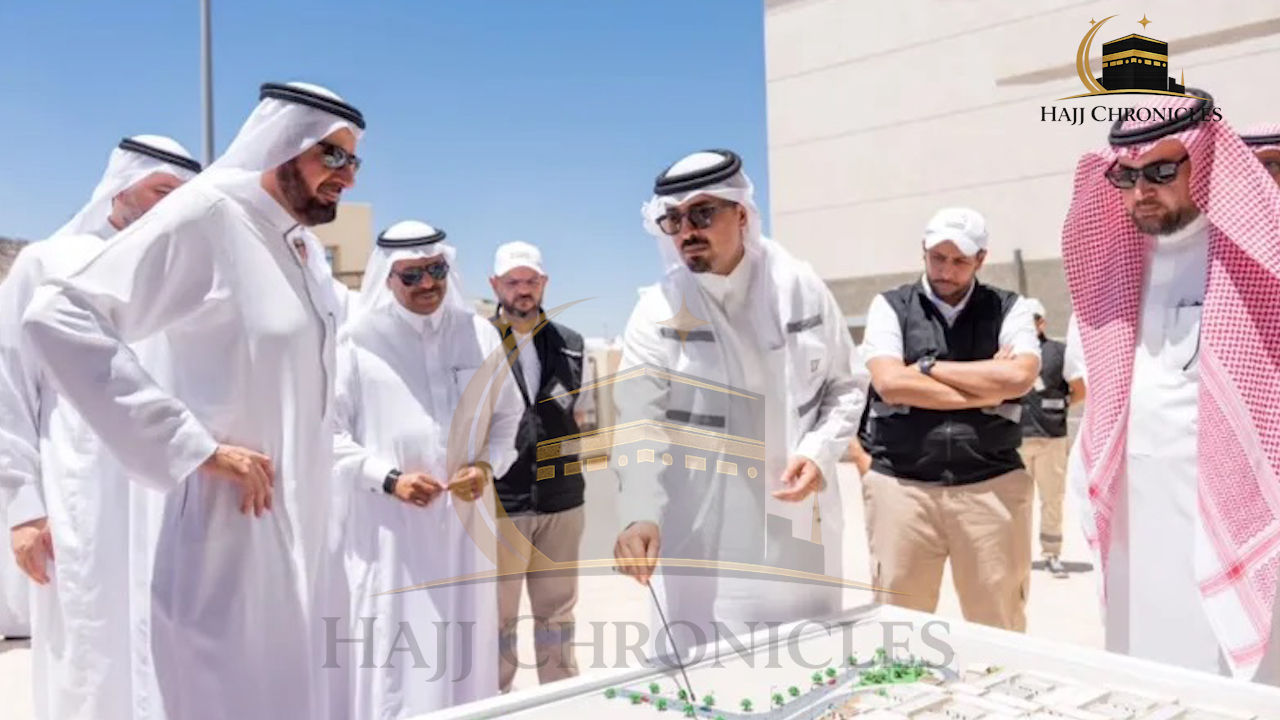
Ministry of Hajj and Umrah has officially commissioned a major new development in Mina, marking a significant step in preparations for Hajj 2026.
The project, known as the Rabigh Qadeena complex, was inaugurated by the Minister of Hajj as part of ongoing efforts to improve infrastructure and enhance pilgrims’ experience during the annual pilgrimage.
Spanning more than 33,000 square metres, the development features 62 modern buildings designed to accommodate over 15,000 pilgrims. When fully completed, the entire 10-tower complex is expected to host up to 30,000 pilgrims, significantly easing pressure in Mina—particularly in the densely populated areas surrounding the Jamarat.
Modern Facilities for Pilgrims
Developed by Qadeena Company, the complex integrates a wide range of essential services within close proximity. Each building is equipped with prayer halls, dining areas, medical clinics, advanced kitchen facilities, outdoor relaxation spaces, and efficient waste management systems.
The aim is to provide pilgrims with a self-contained environment that minimizes movement while ensuring comfort, hygiene, and accessibility throughout their stay.
Focus on Safety and Crowd Management
A key feature of the project is its emphasis on safer movement within Mina. Dedicated pathways for pedestrians and separate routes for buses have been introduced to reduce congestion and prevent the overlap of human and vehicular traffic.
In addition, advanced monitoring systems and control rooms have been installed to track crowd movement in real time, allowing authorities to respond quickly and maintain order during peak periods of the Hajj rituals.
Strengthening Power and Cooling Systems
To support the large-scale operation, the project includes 20 power stations with a combined capacity exceeding 30 megawatts. These are complemented by modern temperature-control systems designed to maintain stable cooling and lighting conditions, even under extreme weather and heavy usage.
Transforming Mina’s Landscape
The Rabigh Qadeena development reflects a broader transformation of Mina from a tent-based settlement into a more structured environment that blends temporary accommodation with permanent high-rise facilities.
This shift is expected to improve overall efficiency, reduce overcrowding, and enhance the quality of services available to pilgrims. With shorter walking distances, better-organized spaces, and improved access to healthcare and amenities, the project is set to make one of the most demanding stages of Hajj more manageable and secure.


