


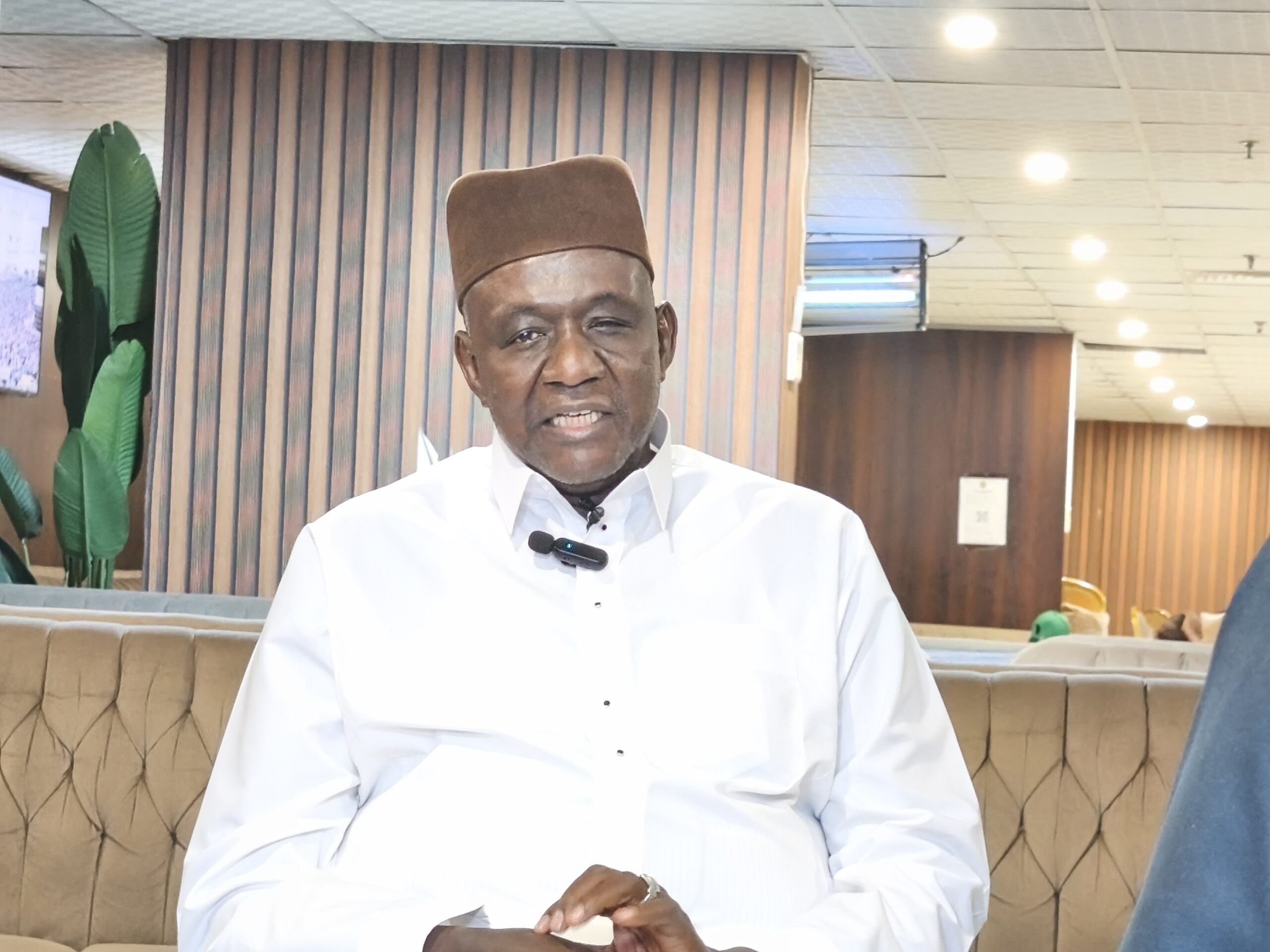
The Chairman of the Katsina State Pilgrims Welfare Board and Sarkin Alhazan Katsina, Alhaji Kabir Bature, has commended the Governor of Katsina State, , for his unwavering support towards the successful conduct of the 2026 Hajj exercise for pilgrims from the state.
Speaking in an interview with Hajj Chronicles in Makkah, Bature said Governor Radda had consistently demonstrated commitment to the welfare of Katsina pilgrims since assuming office, describing his contributions to this year’s Hajj operation as exceptional.
According to him, one of the governor’s most significant interventions was the payment of the pilgrims’ Hadaya (sacrificial animal) expenses, a move that relieved pilgrims of a major financial burden.
“His Excellency has done wonderfully well for our pilgrims. Apart from paying for the Hadaya, which now costs almost 500 Saudi Riyals, he also gave each pilgrim 300 Saudi Riyals as Goron Sallah. This has greatly supported our pilgrims and made the Hajj exercise easier for them,” Bature stated.
The Sarkin Alhazan further revealed that Governor Radda established three additional committees to complement the efforts of the Pilgrims Board, management team and the Amirul Hajj delegation to ensure a smooth and hitch-free pilgrimage.
On accommodation and feeding arrangements, Bature expressed satisfaction with the quality of services provided to Katsina pilgrims in the Kingdom of Saudi Arabia.
He explained that the state government worked closely with Hajj officials to secure accommodation within the distance approved by the National Hajj Commission of Nigeria (NAHCON), noting that the facilities were comfortable and attracted minimal complaints from pilgrims.
“The buildings are excellent, well accommodated and close to the Haram according to NAHCON’s benchmark. We have not received significant complaints from our pilgrims,” he said.
Bature also praised the feeding arrangements, noting that the meals provided were carefully selected to suit the dietary preferences of Katsina pilgrims.
“We ensured that the food served is familiar to our people. We have a variety of meals for breakfast and dinner, and the feedback from pilgrims has been very positive,” he added.
Speaking on pilgrims’ enlightenment programmes, the Katsina Pilgrims Board chairman said extensive educational campaigns were conducted months before the commencement of the Hajj exercise.
He disclosed that the board deployed state and local government preachers, guides, desk officers and an enlightenment team that toured various zones across the state to educate intending pilgrims on Hajj rites and social conduct.
“We started our enlightenment activities about seven months before the Hajj. We divided the state into zones and ensured that every local government area participated in the exercise.
This has contributed significantly to the level of awareness and compliance among our pilgrims,” he explained.
Bature also lauded the Saudi authorities for the introduction of the Nusuk card, describing it as a major initiative that has helped regulate pilgrim movement and improve organization during Hajj.
He disclosed that all Katsina pilgrims received their Nusuk cards and experienced no major challenges regarding access to Hajj sites.
However, he urged state pilgrims’ welfare boards across Nigeria to introduce state-issued identity cards for pilgrims to complement the Nusuk card system.
According to him, state identity cards would help officials identify genuine pilgrims, particularly in Mina and Arafat, and curb the activities of unauthorized persons.
“The Nusuk card is a global card that grants access to Hajj locations, but state identity cards are very important for identifying genuine pilgrims within state tents and camps. I advise all states to provide their pilgrims with state ID cards for future Hajj operations,” he said.
Bature expressed satisfaction with the overall conduct of the 2026 Hajj exercise and said Katsina pilgrims were now awaiting their return journey to Nigeria following the successful completion of the pilgrimage.